Orchard & Berry Systems
Optimizing crop health, yield, and quality in pollinator-dependent systems through native plant design.
Pollination-dependent crops, like most orchards and berries, rely not only on an abundance of pollinators but the presence of the right ones at the right time. In these systems, pollination is not just a supporting process—it is a primary driver of fruit set, quality, and overall yield.
Crops such as apples, blueberries, cherries and pears often require specific types of pollinator behavior to achieve consistent and high-quality results. Native bees—particularly bumble bees—are especially effective due to their ability to perform behaviors such as buzz pollination, which directly influences how efficiently flowers are fertilized. While honeybees, that are often imported, may be able to “get the job done,” the efficacy of the pollination services they deliver (i.e. the abundance and richness of pollen transferred) is far inferior to that of most native bees resulting in weaker crops - and higher cost. Furthermore, imported honeybees may compete with native bees for floral resources, pushing them towards irreversible population decline, and they are more susceptible to diseases.
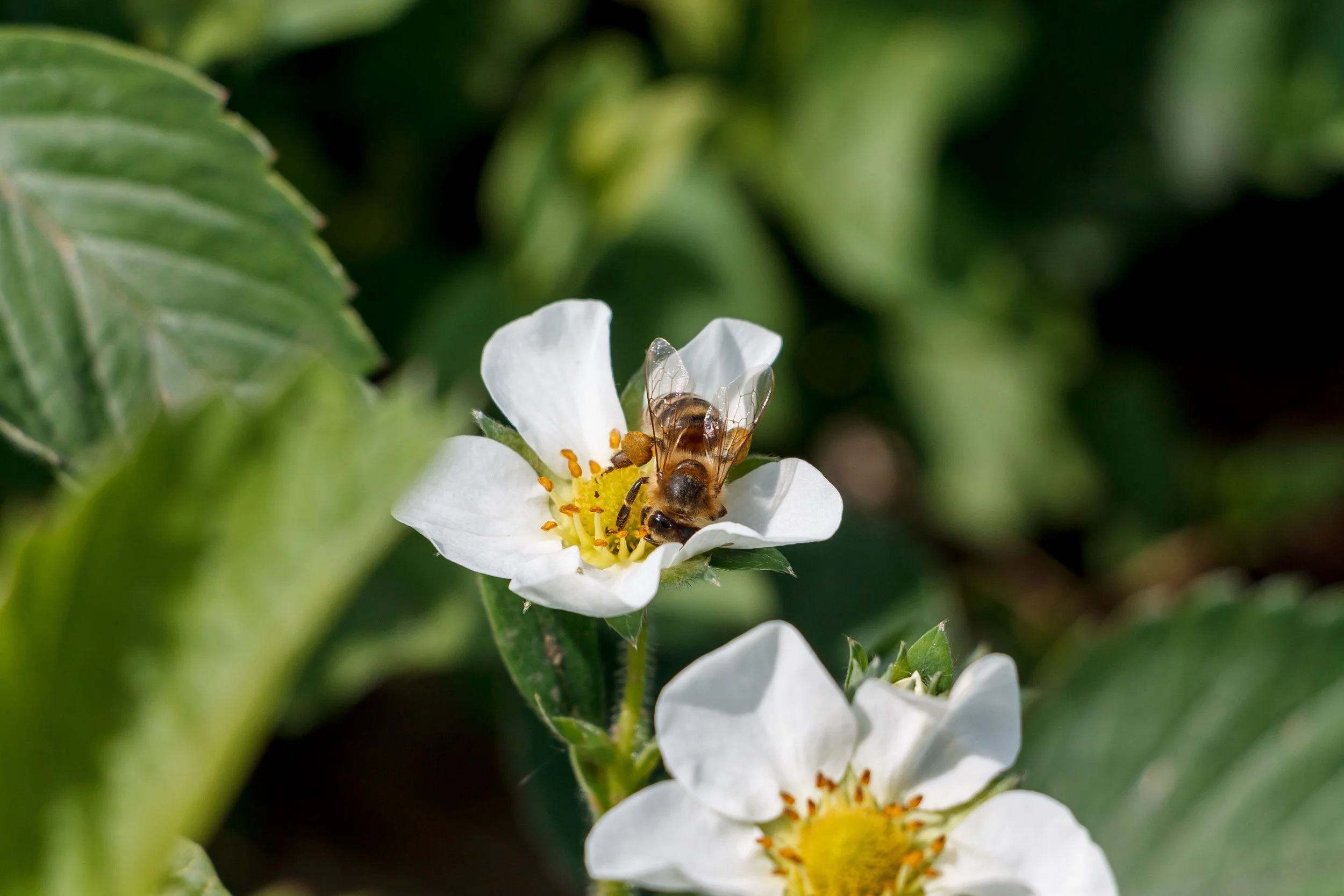
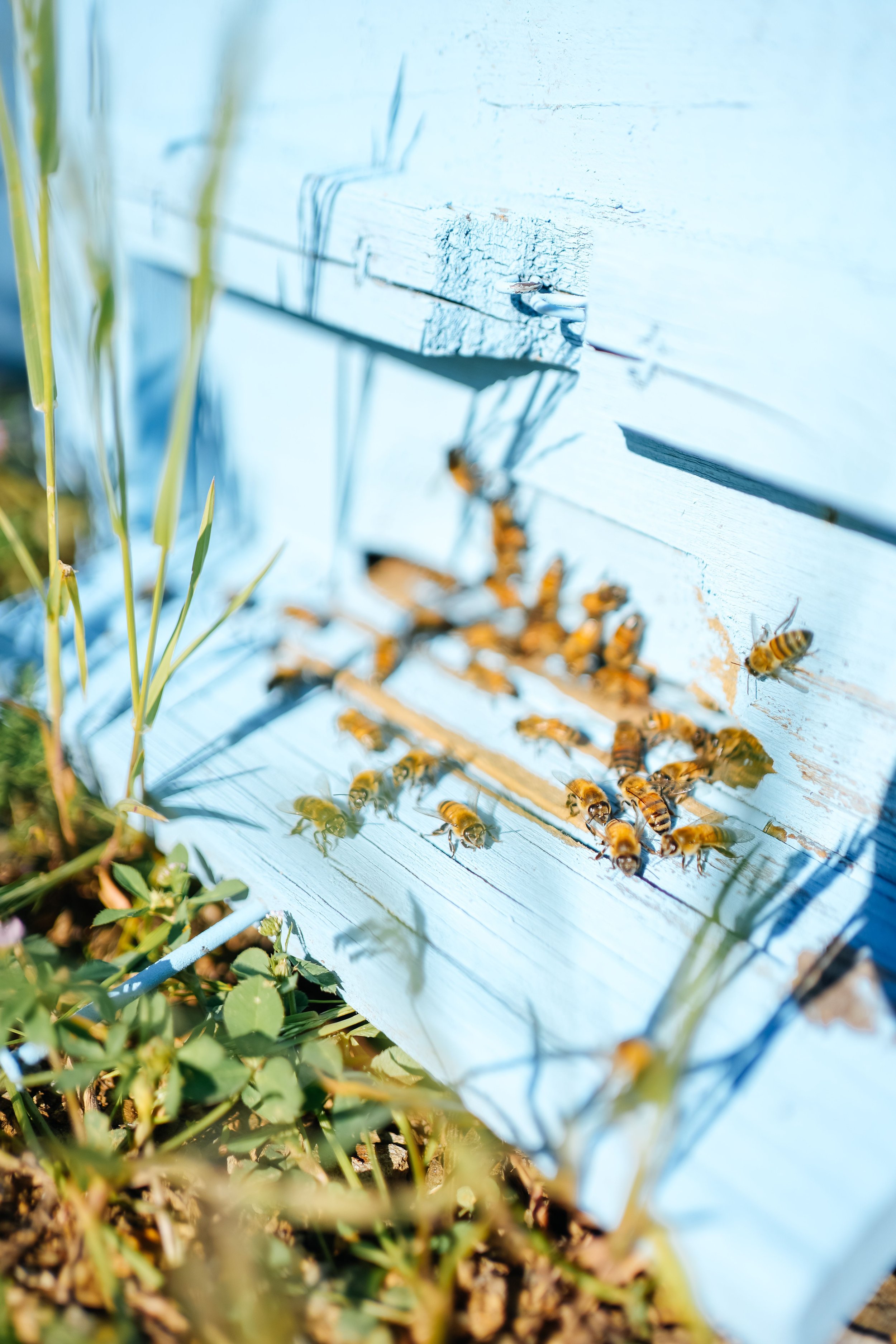
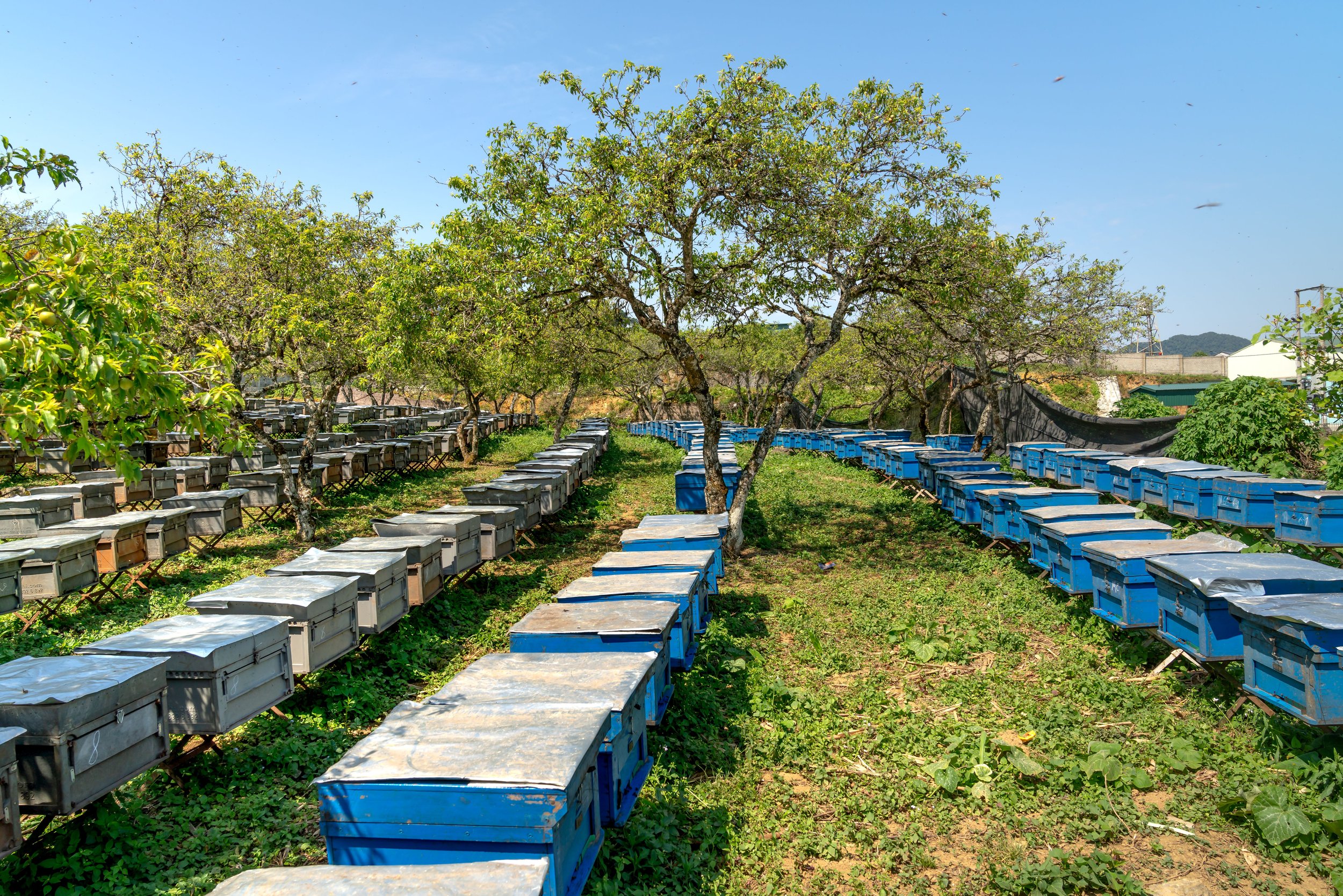
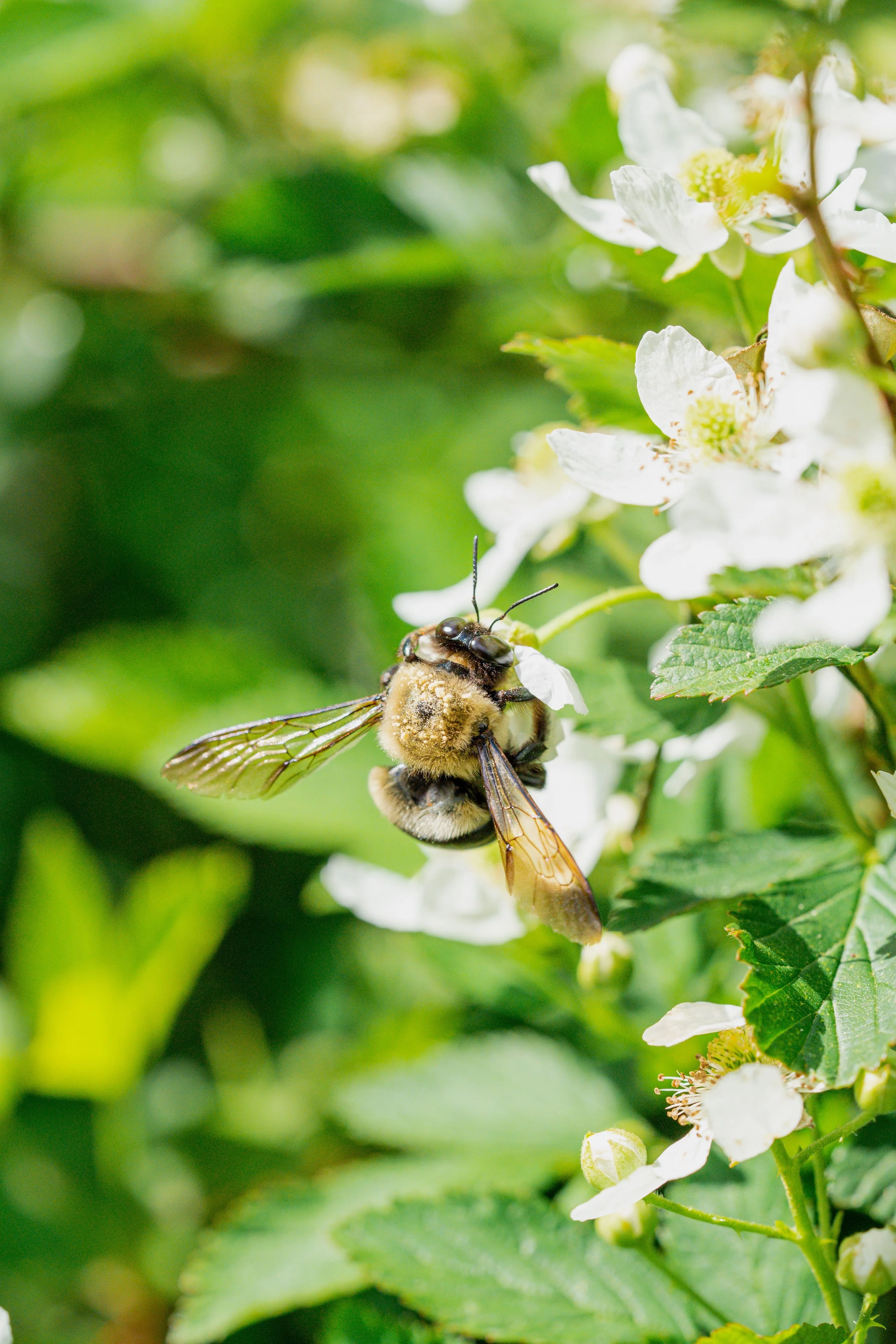
We design plant communities that support native pollinator systems by providing the resources necessary to introduce and sustain insect populations across the entire growing season. Rather than relying on a short window of activity during crop bloom (when most farms concentrate imported pollinators, if used), these systems ensure that pollinators are inherently present, active, and well-supported before, during, and after fruit flowering to ensure a healthy crop.
This approach is grounded in phenology—the seasonal timing of crop development and pollinator activity. Each crop has a specific window when pollination is most effective, and pollinator populations must be aligned with that window to produce consistent results. By using native flowering plants that are adapted to local conditions and closely aligned with native insect lifecycles, we create continuous floral resources that support pollinator populations over time.
The result is more efficient pollination, improved fruit set, a longer growing window and greater consistency in yield and quality. Over time, tending to these systems stabilizes pollinator populations, reduce dependence on external pollination inputs, and creates a more reliable and productive agricultural system.
Crops We Support
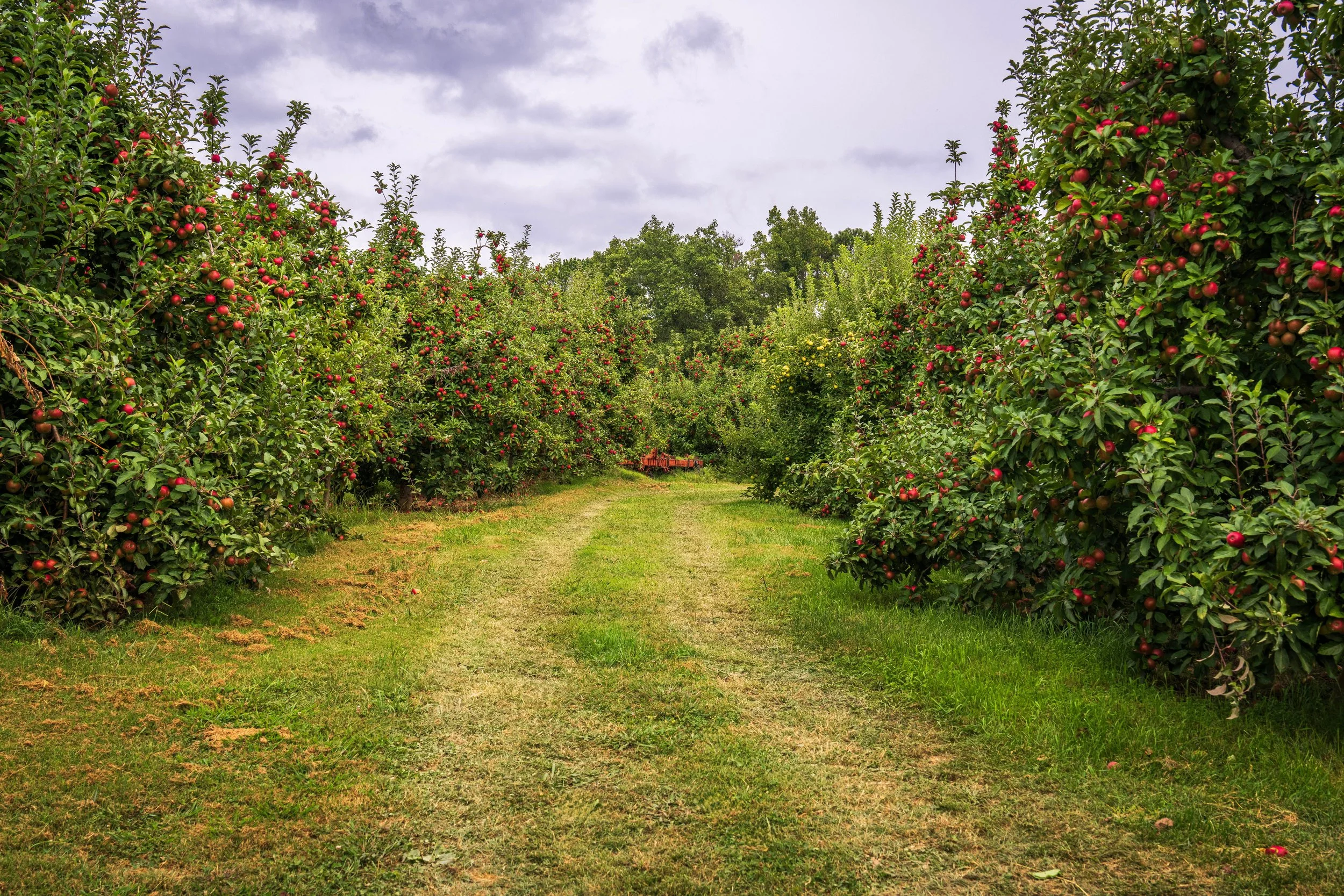
Apples
Apples bloom mid-spring, with a slightly longer flowering window, benefiting from sustained pollinator presence.
Blueberries
Blueberries bloom from mid- to late spring, often over an extended period, and rely on specialized pollinators (such as bumble bees) for effective pollination.
Other
If you have a crop not listed here, please let us know! We would love to work with you to design a planting system tailored to your needs.
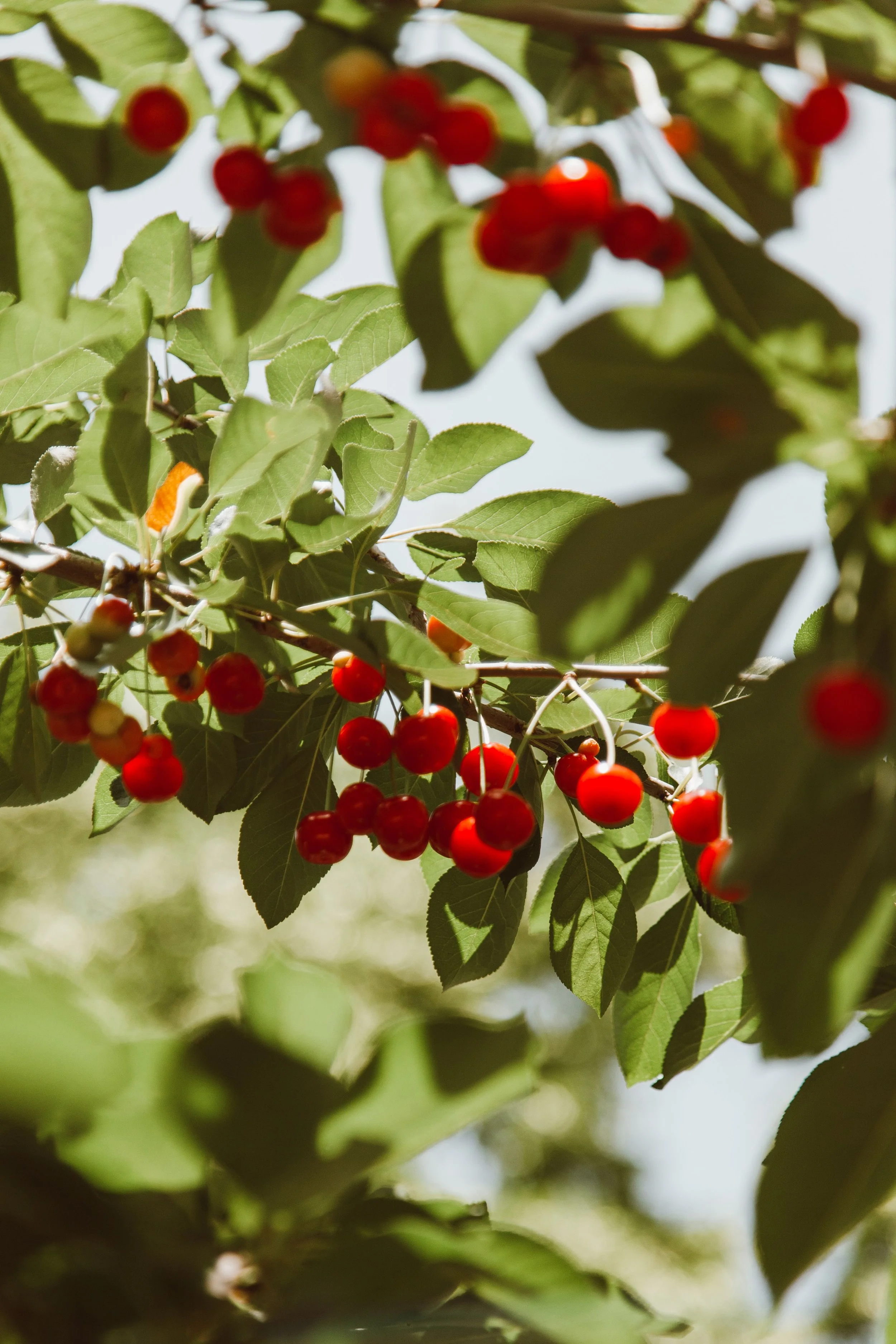
Cherries
Cherries bloom early spring with a short, concentrated bloom period, requiring high pollinator activity in a narrow window.
Pears
Pears bloom early, often under cooler conditions, and depend on early-season pollinators when activity can be limited.
We offer three levels of support for each crop type.
Service Packages
We offer three levels of system design.
-
A practical first step toward improving pollination support.
Site assessment
Regional Seed Mix - pollinator-support focused
Basic Planting Plan - edges and margins
Implementation Guide
Introduces pollinator habitat and begins improving pollination conditions within the system.
$2,000 – $3,500
-
Phenology-optimized system tailored to your crop.
Detailed Site Assessment
Custom Seed Mix + Phenology Alignment
Detailed Planting Plan, High resolution and site-informed
Ecological Strategy + Seasonal Calendar
Implementation Plan + Guide
Spring Review
Improves pollination efficiency, increases fruit set and yield quality, and creates a more consistent and reliable production system.
$4,500 – $6,000
-
Full-system integration for long-term pollination performance.
Everything in Standard, plus:
On Site Visit, with advanced assessment
Full Property Design
Biodiversity Baseline + Monitoring
Annual Follow-up + Recommendations
Customized Implementation Guide
Enrollment in Bee to Basket Initiative
Maximizes pollination performance, reduces reliance on external inputs, and creates a stable, high-performing system over the long term.
$7,000 – $10,000+
*Pricing shown for mid-size farms (approx. 50 acres). Final scope is adjusted based on site size, system complexity, and level of design detail.
For more details on each package, please: