Our Work
Functional Flora brings the evolutionary benefits of natural systems into modern farming by integrating native plant communities that lend enhanced performance, protection and stability to agricultural crops.
The Pacific Northwest is one of the most productive and ecologically important agricultural regions in North America. As environmental conditions continue to shift—with greater variability in precipitation, drought, and pest pressure—it has become increasingly important to invest in adaptive management strategies that ensure reliable productivity and support long-term crop resilience.
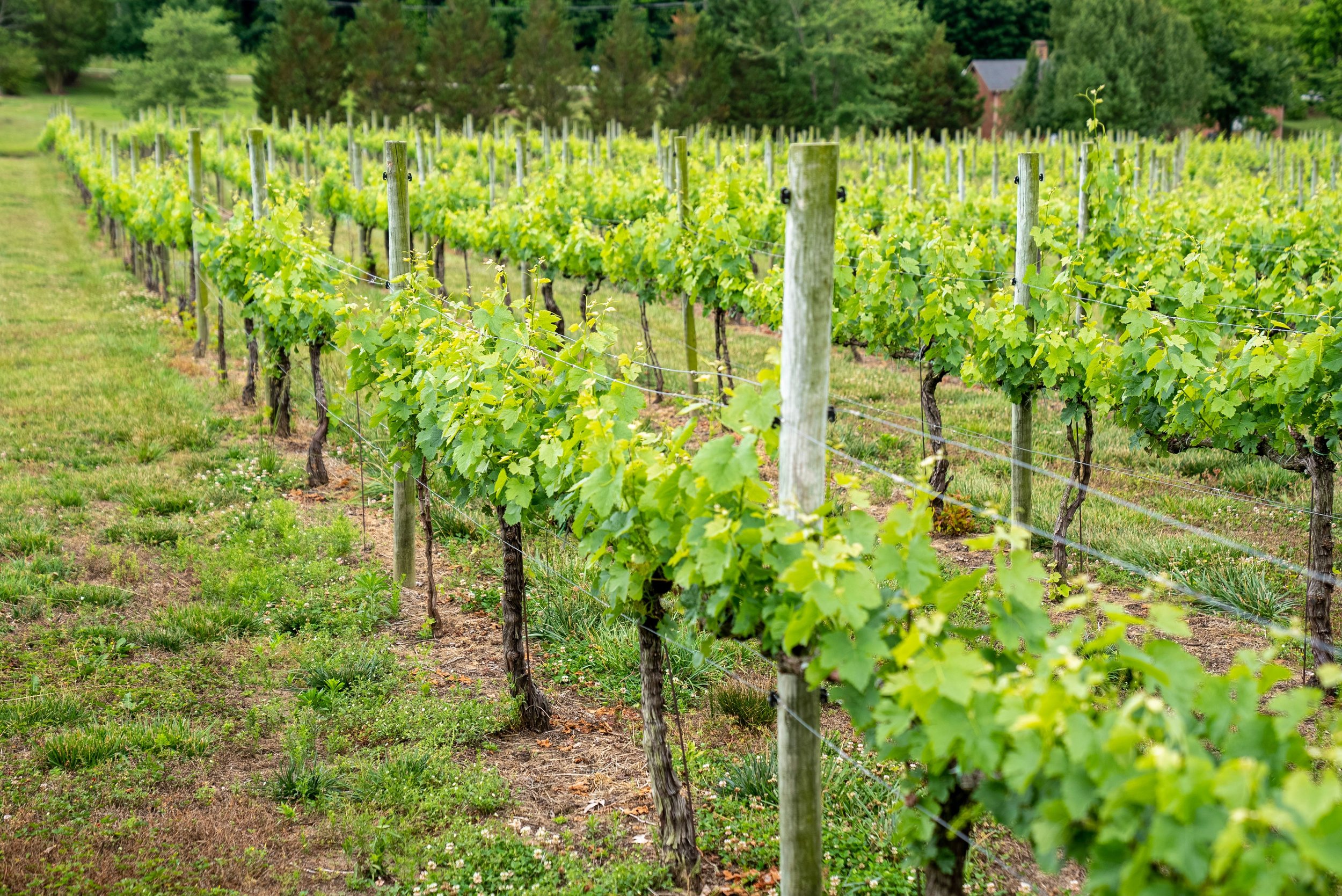
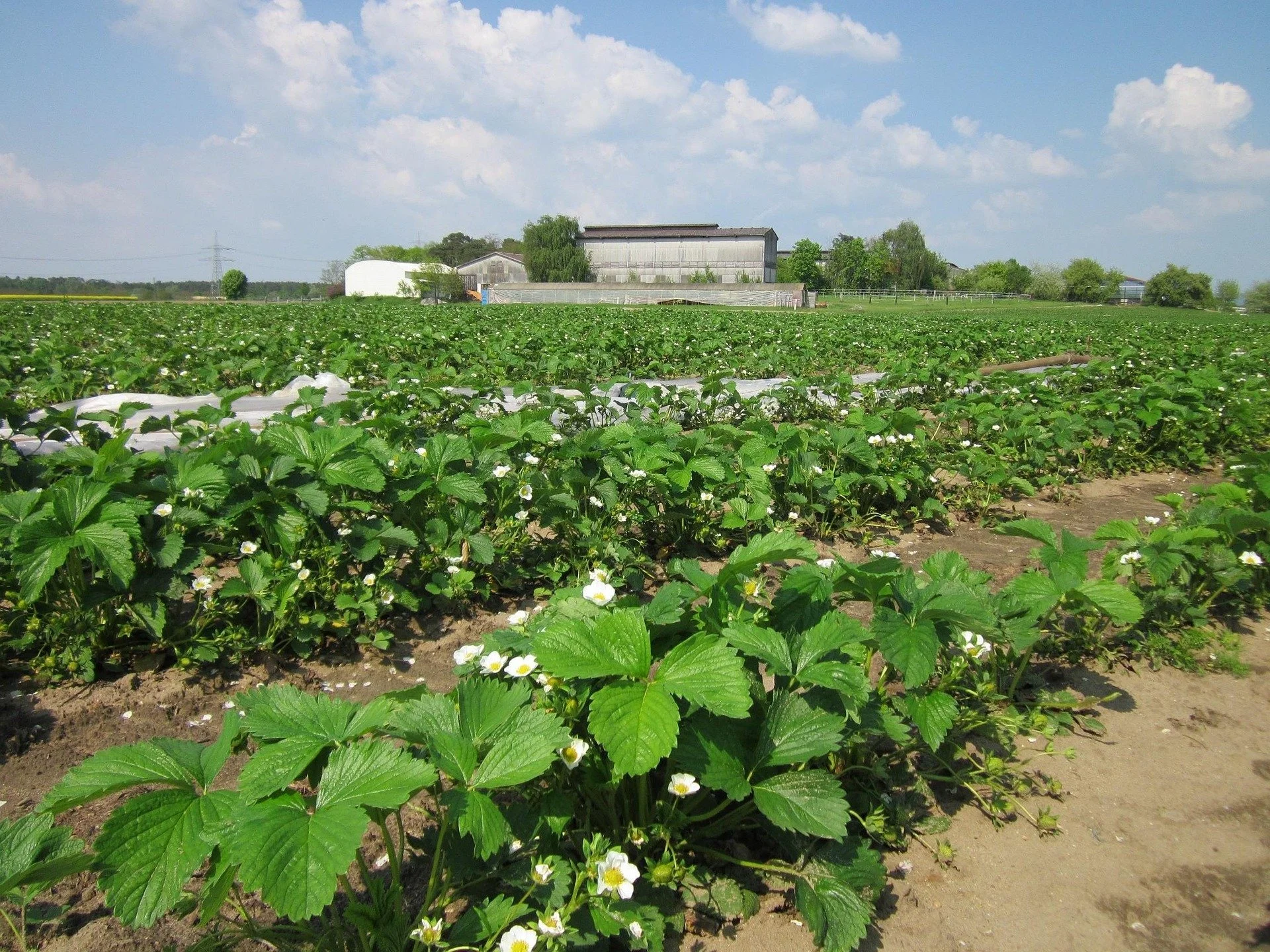
We focus on vineyards, hopyards, orchards, berries and other pollinator-supported cropping systems to design plant communities that support beneficial insects, enhance pollination services, strengthen ecosystem function and improve system performance over time.
.
We design science-based native plant systems for farms and vineyards that support beneficial insects, improve pollination services, and strengthen long-term crop resilience and ecosystem function through enhanced biodiversity.
How It Works
Our work integrates ecological science with real-world farming and viticulture.
We analyze local weather patterns and regional variables—including drought risk and historical pest pressure—and combine this with our knowledge of native plant communities and a detailed assessment of your agricultural system to design a planting plan that optimizes your production. The result is a system that extends the growing window, enhances pollination services, improves resilience to pest pressure and climate variability, and builds long-term stability for more consistent, high-quality production.
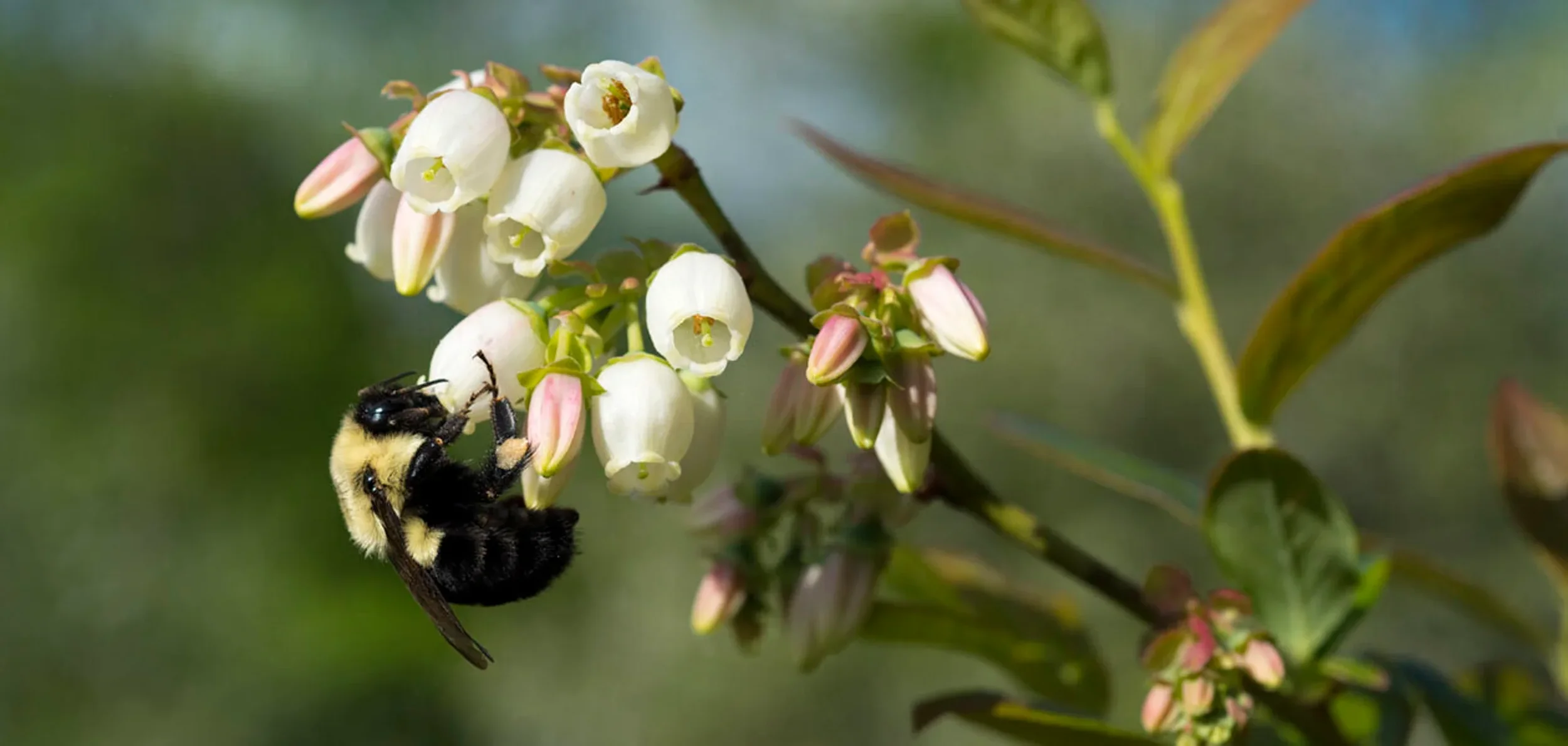
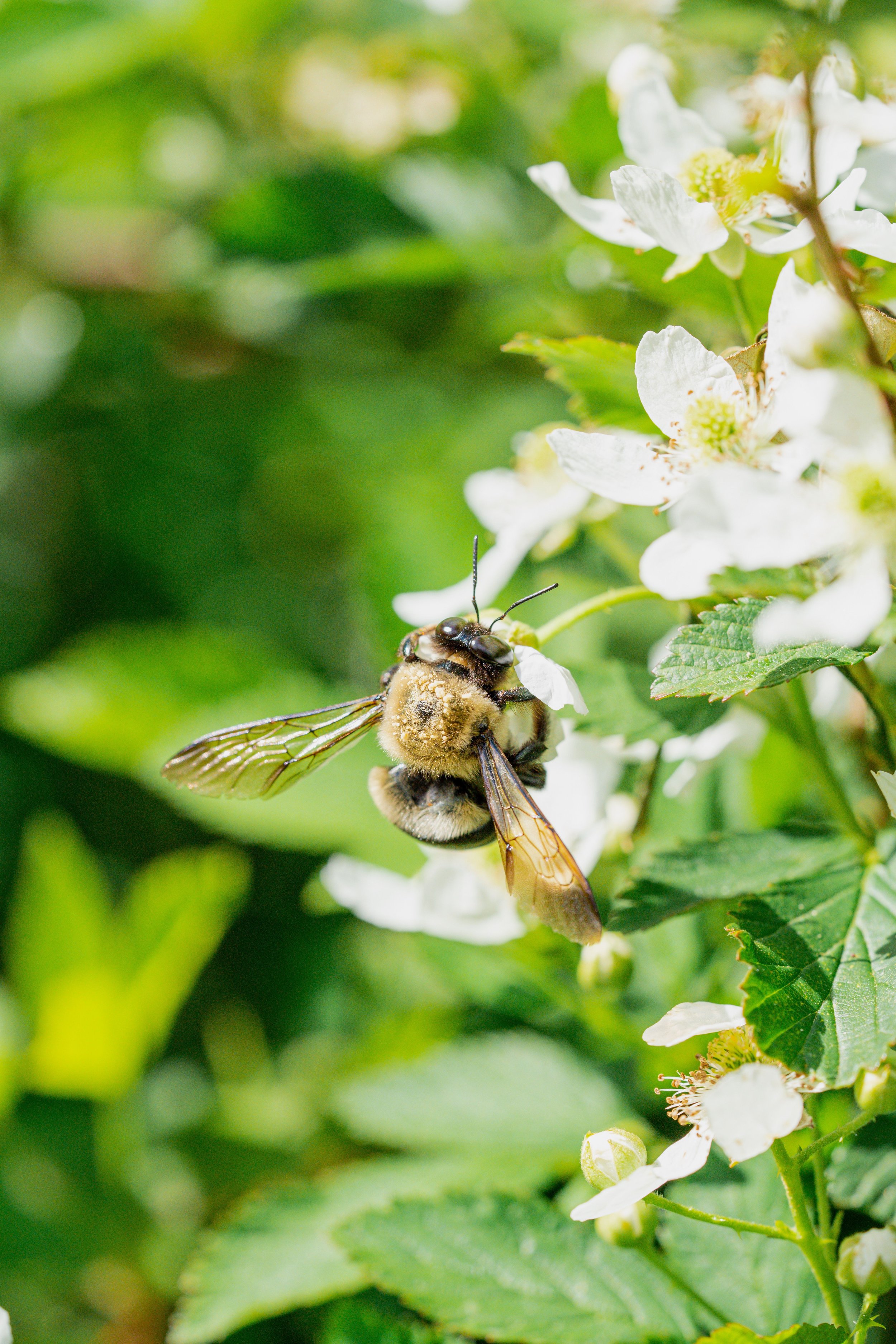
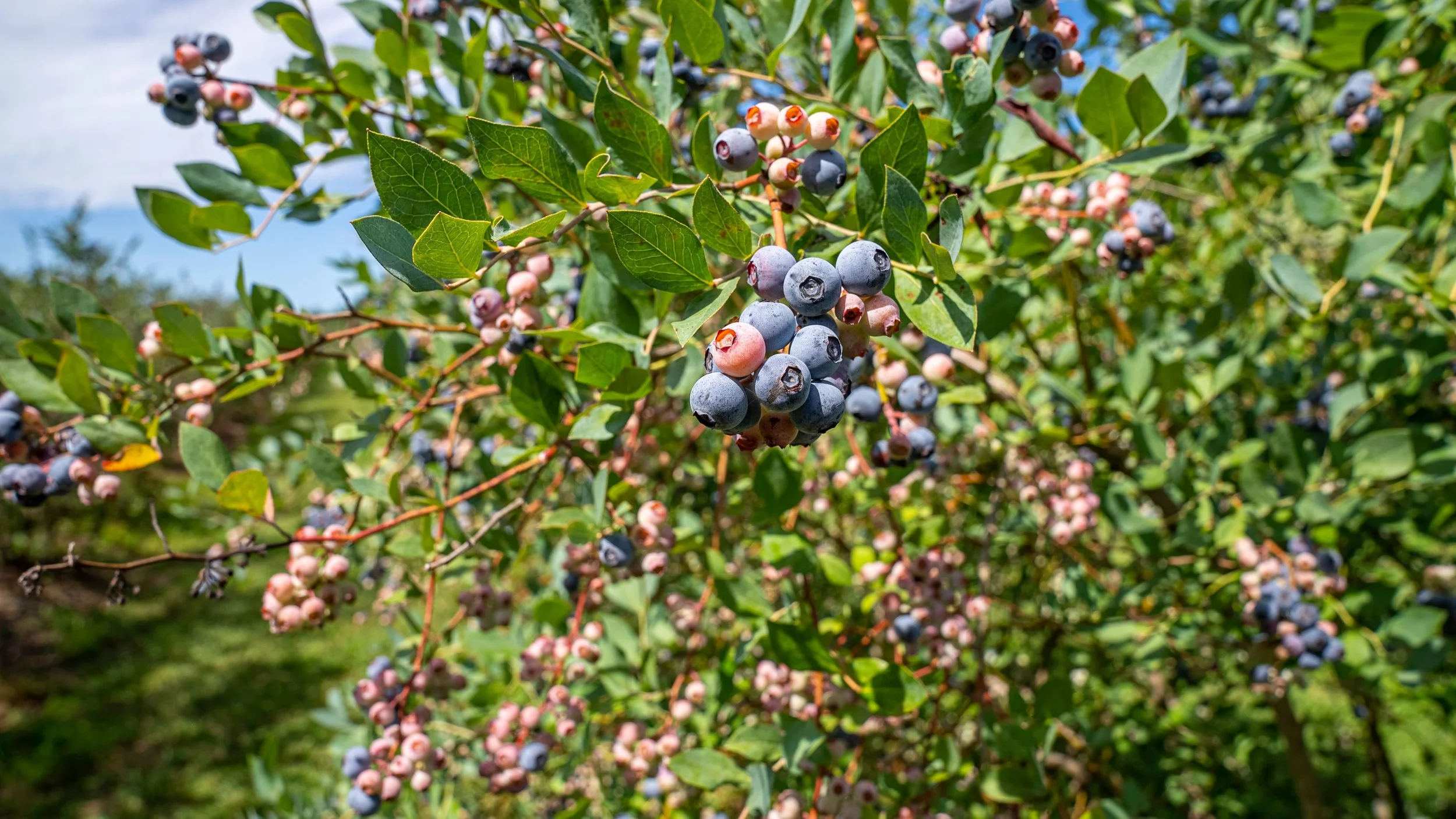
Native Bumblebee servicing a blueberry bush.
A key factor often overlooked—even in environmentally conscious farming—is timing.
Every crop has its own seasonal timeline, known as phenology, which determines when it is flowering, developing, and most ready to be pollinated. Native plants and insects have evolved together over time, following these same seasonal patterns.
Crops, however, are often non-native to the region and do not have these established relationships. Because of this, pollinators and other beneficial insects are often not present when crops need them most—leading to costly and harmful importation of honeybees and increased pesticide use. We design plant systems that restore these timing relationships by using native species to create continuous floral resources following your crops phenology before, during, and after bloom.
This helps ensure that pollinators and other beneficial insects are active in the right place at the right time to ward off pests, provide consistent pollination, improve fruit set, and higher-quality yields. Over time, with minimal added input, these systems stabilize insect populations, reduce the risk of pest outbreaks, and create a more reliable and resilient agricultural system.
Why Native Plants and Pollinators?
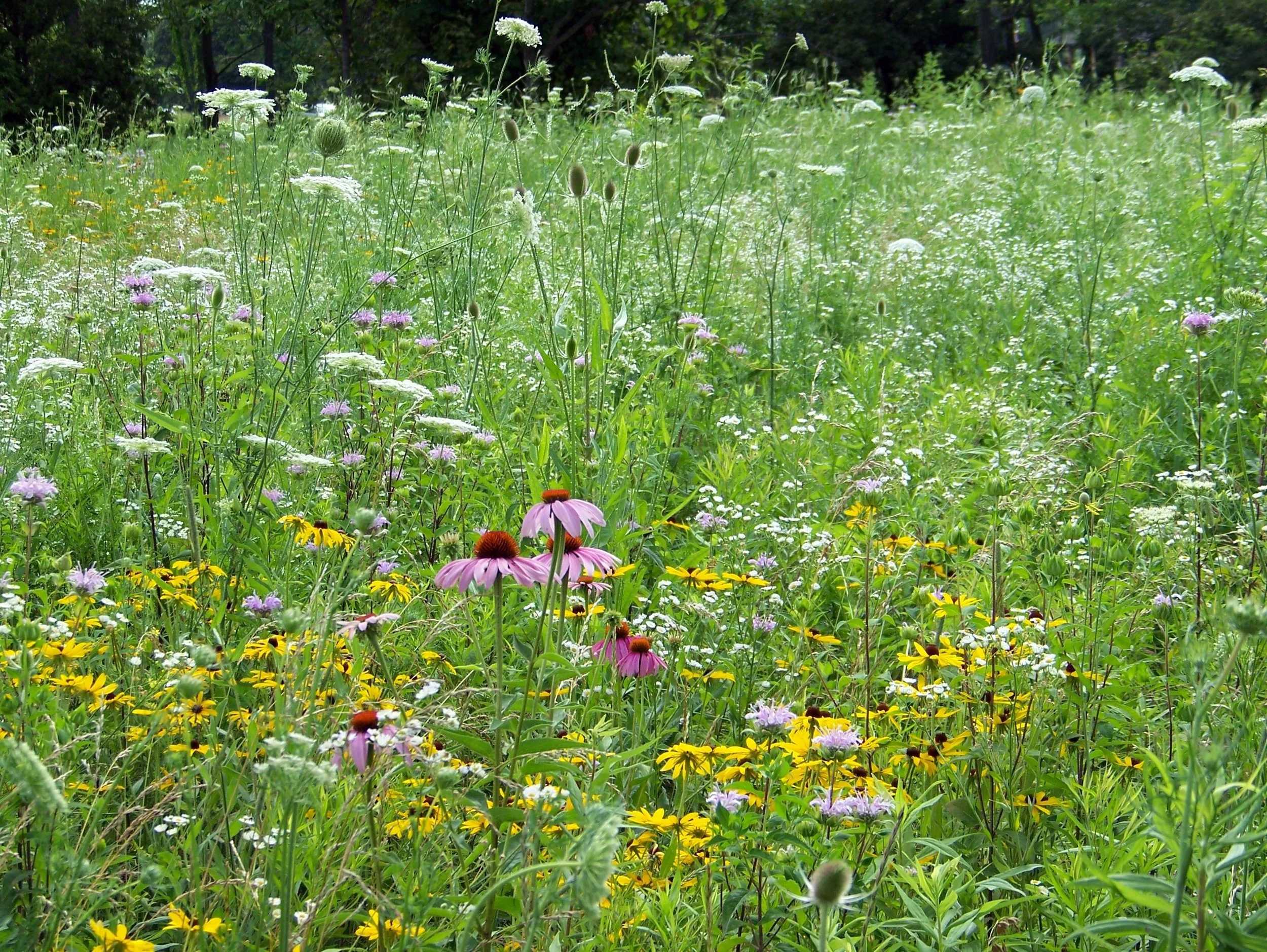
Native plants play a foundational role in agricultural ecosystems because they have co-evolved with native pollinator and insect communities over thousands of years and are adapted to local environmental conditions. Many pollinators and beneficial insects exhibit strong dependencies on specific plant groups, meaning native plants provide higher-quality nectar, pollen, and habitat resources than non-native species. These resources directly influence insect reproduction, longevity, and population stability across the season.
Because most agricultural crops are non-native, they typically lack these established relationships and do not provide sufficient or continuous resources to sustain insect populations on their own. Native plant systems help bridge this gap by supplying the floral diversity and temporal continuity needed to maintain functional insect communities.
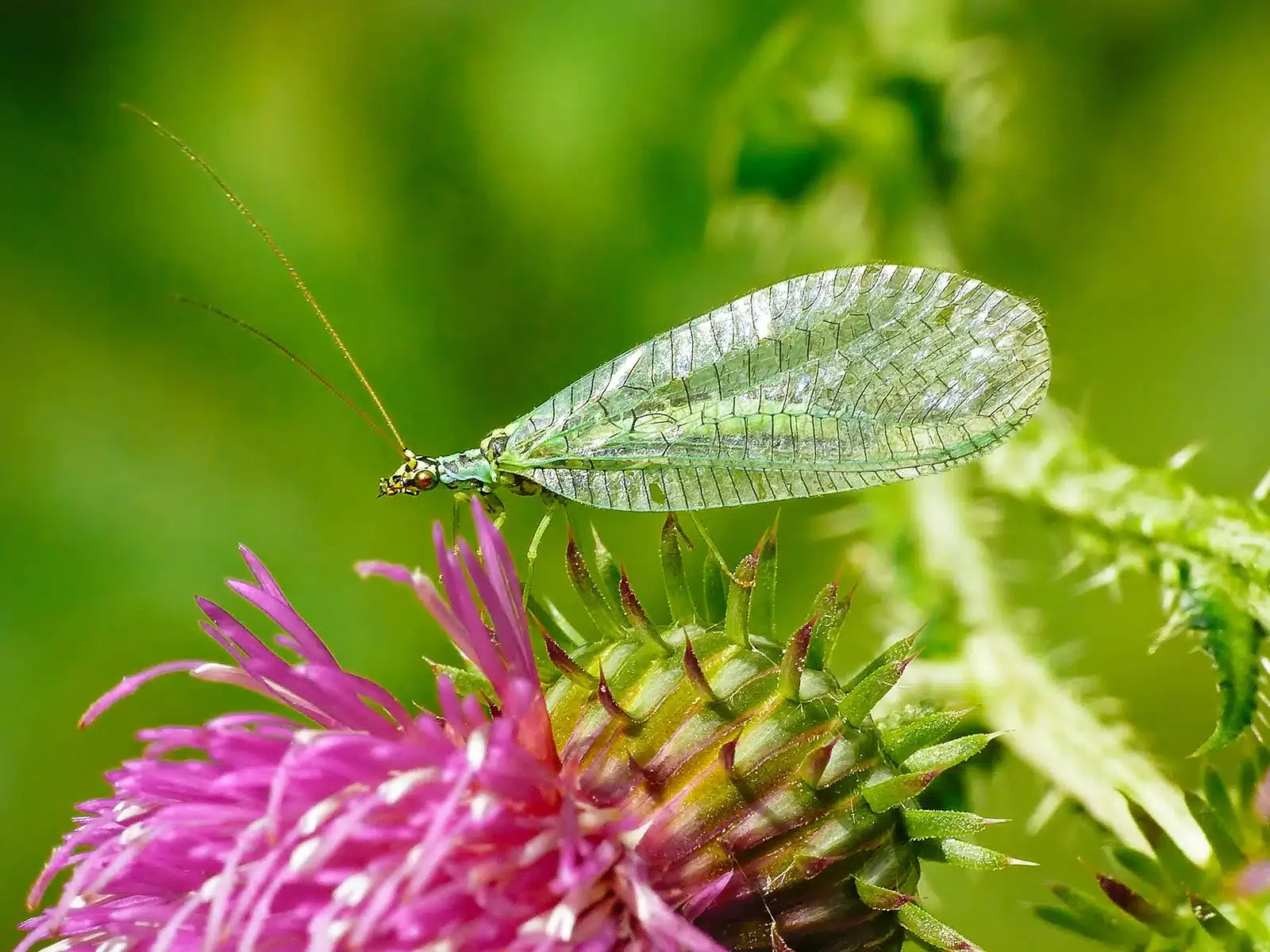
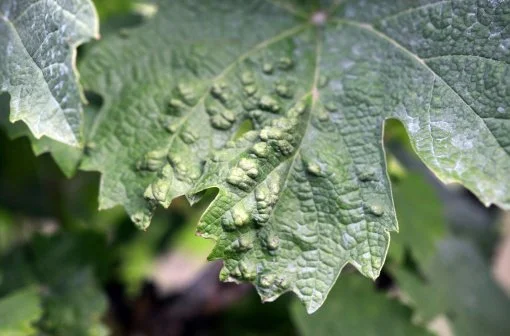
In addition to pollination, native insect communities contribute significantly to biological pest regulation. Predatory and parasitoid insects—such as lady beetles, lacewings, hoverflies, and parasitic wasps—rely on nectar, pollen, and alternative host resources provided by native plants. These species are adapted to locate and respond to common agricultural pests, including aphids, mites, and leafhoppers, helping suppress populations that crops are not equipped to manage independently.
Belowground, native plants also contribute directly to soil function. Many species develop deep or fibrous root systems that improve soil aggregation, increase water infiltration, and reduce erosion. Early-season species enhance soil fertility by increasing biologically available nitrogen during critical stages of crop development.
Aboveground, plant biomass helps regulate soil temperature and moisture by reducing surface exposure, supporting microbial activity and nutrient cycling. Together, these processes improve overall soil health and support more consistent plant performance.
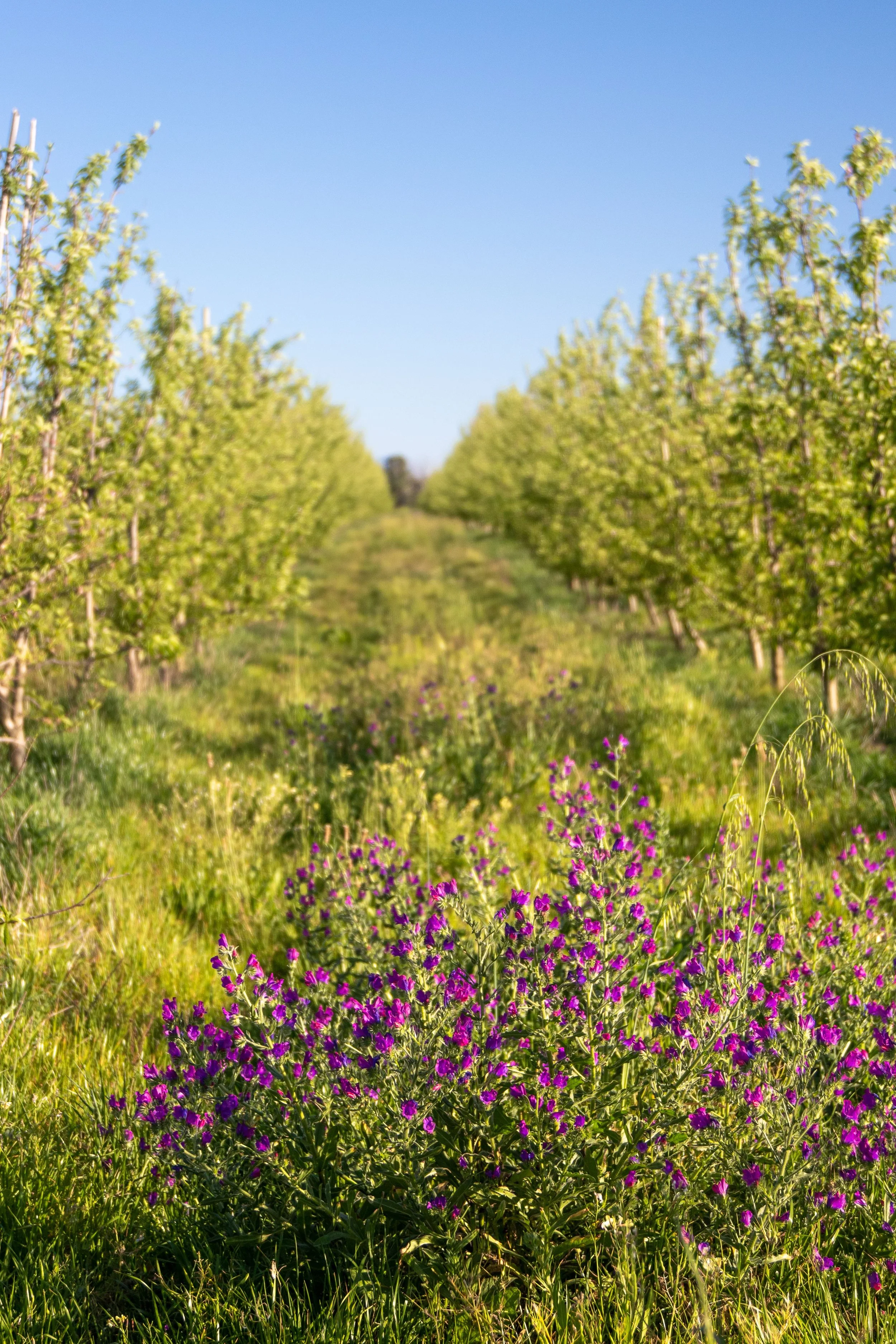
The result is a more functionally integrated system in which plant communities, insect populations, and soil processes reinforce one another—improving pollination, stabilizing pest regulation, enriched nutrient cycling and supporting more consistent crop performance—while reducing dependence on external inputs over time.
Systems We Work With
Our ecological systems are designed to support a range of agricultural operations, each with unique production needs, challenges, and opportunities.
Vineyards
Ecological systems designed to support beneficial insects and long-term vineyard resilience through enhanced biodiversity and seasonal plant communities.
We design plant systems that:
support beneficial insect communities, including predator and parasitoids
enhance natural pest regulation and reduce pressure over time
improve soil health and ecosystem stability
provide continuous floral resources to maintain insect populations over the growing season
consider unique phenology of cultivars and vineyard layout in planting plans
strengthen long-term resilience and ecological function to reduce inputs over time
Hopyards
Ecological systems designed to support beneficial insects and strengthen biological pest control in hop production through diverse, seasonally structured plant communities.
We design plant systems that:
support beneficial insect communities, including predator and parasitoid species
enhance biological pest control and reduce pest pressure over time
improve ecological stability within hop yard systems
provide continuous floral resources to maintain insect populations across the season
strengthen long-term resilience and system function
Orchards & Berries
Pollination-focused systems designed to support native pollinators, improve pollination efficiency, and enhance fruit set, yield and quality.
We design plant systems that:
support native pollinator communities, including key species responsible for effective pollination
increase pollination efficiency and effectiveness
improve fruit set, berry size, and consistency of yield
provide continuous floral resources that build and sustain pollinator populations before and after bloom
this also increases the growing window
stabilize pollinator activity and reduce reliance on external inputs over time
Other
Many other types of crops (buckwheat, kale, potatoes, and more) also benefit from native plants and insects - whether directly by pollination or from plant communities that improve soil health and establish beneficial insect populations to ward of pests.
If you are unsure how your crop could benefit from implementing a native planting plan, please Contact Us and we will get back to you in 1-2 business days.